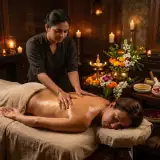
Panchakarma Protocols: A Practitioner's Perspective
Table of Contents
No two bodies are the same. No two beings are the same. This is the beauty of Ayurveda; a fully individualized approach to the path of healing and wellness. This is the reason that the Ayurvedic approach tends to be so successful. Even something as "simple" as pain has multiple paths of treatment protocols. You can have a vata-type of pain, pitta-type of pain, and a kapha-type of pain.
Another example is diabetes—did you know in Ayurveda there are 20 classifications of diabetes? In allopathic medicine? Two main types. So, while many imbalances may seem the same on the surface, the path of treatment and therapies vary so greatly from person to person.
The Importance of a Personalized Treatment
An Ayurvedic practitioner assesses the client's constitution (Prakriti) and the current state of imbalance (Vikriti) before formulating any treatment protocol. In Panchakarma, this personalization dictates the type of herbalized oils utilized, the pressure and duration of treatments, and the specific sequence of elimination therapies. Without this diagnostic precision, treatments risk aggravating the very doshas they seek to pacify.
The Three Stages of Panchakarma
Panchakarma is not a singular event but a carefully calibrated, multi-phase physiological clean-out. The process is systematically divided into three main operational phases: preparation (Purvakarma), the main cleansing procedures (Pradhānakarma), and the post-treatment integration (Paschyātkarma). Each phase plays a vital role in successfully freeing and transporting toxins without weakening the patient.
Stage 1: Purvakarma
Before toxins can be eliminated, they must be dislodged from deep cellular tissues and directed into the digestive tract. Purvakarma achieves this through two primary methods: Snehana (internal and external oleation) and Swedana (herbal steam therapy). Internal oleation, often involving the consumption of medicated ghee, lubricates internal channels, while therapeutic steam dilates channels to allow waste to flow freely.
Stage 2: Pradhanakarma
Once the toxins have collected in the gastrointestinal tract, the main elimination therapies are administered. Pradhānakarma comprises the classic five cleansing actions: Vamana (therapeutic vomiting for Kapha), Virechana (purgation for Pitta), Basti (medicated enemas for Vata), Nasya (nasal administration of oils for head/neck toxins), and Raktamokshana (bloodletting). A patient rarely undergoes all five; rather, the practitioner selects the therapies most appropriate to the client's doshic imbalance.
Stage 3: Paschyātkarma
The post-treatment phase is critical for rebuilding the digestive fire (Agni) and rejuvenating the tissues (Dhatus) that have been cleared. This phase includes a carefully structured diet starting with light rice broths and gradually transitioning to solid foods, combined with lifestyle guidelines and rasayanas (rejuvenative herbal formulations). Ignoring this stage can result in immediate digestive distress as the body is in a highly sensitive state.
The Role of the Practitioner
A qualified practitioner serves as an essential guide throughout this transformational process, monitoring daily physiological changes, adjusting diet and herbal formulas, and holding space for emotional releases that frequently accompany physical detoxification. Practitioners assess pulse, tongue, and skin daily to ensure the cleansing progresses safely.
Key Responsibilities of the Practitioner:
- Comprehensive doshic assessment and continuous monitoring
- Personalized selection of herbalized oils and therapies
- Guiding the patient through physical and emotional releases
- Adjusting dietary protocols based on daily digestive fire (Agni)
- Formulating a post-cleansing rejuvenation plan (Rasayana)
Dr. Remya M J
BAMS, MD (Dravyagunavijnanan), DAC (Diploma in Ayurveda Cosmetology) Managing Director, Soukhya Ayurvedic Center
Recent Blogs

Ayurveda for Stress Management: Calm Your Mind Naturally
Sep 21, 2026
Ayurveda for Women’s Health
Jun 29, 2026
What Is Ayurveda? Understanding the Science of Holistic Healing
Jun 25, 2025